
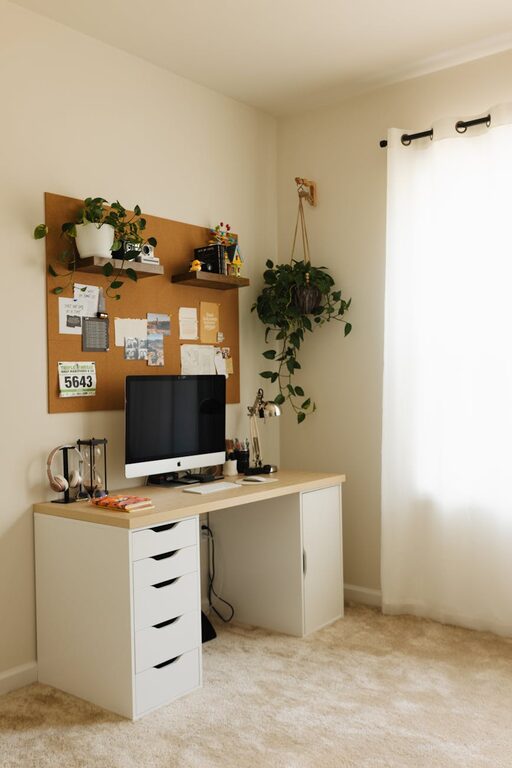
Creating a home office space that encourages productivity and comfort is essential in today’s world where many people work remotely or spend a significant amount of time on personal projects at home. A well-designed workspace not only improves focus but also promotes better work habits and reduces stress. In this post, we’ll explore practical tips to help you craft a home office that fits your needs and keeps you motivated.
1. Choose the Right Location
Finding the ideal spot for your home office is the first step toward creating a productive environment.
– Quiet and Low Traffic Area: Opt for a space in your home that experiences minimal noise and distractions. This can be a spare room, a corner of a bedroom, or even a nook away from household activities.
– Natural Light: If possible, set up near a window. Natural light can boost your mood and energy levels. Avoid glare on your computer screen by positioning your desk perpendicular to the window.
– Sufficient Space: Ensure there’s enough room for your desk, chair, and any equipment you need without feeling cramped.
2. Invest in Comfortable and Ergonomic Furniture
Your comfort directly impacts your ability to concentrate and stay productive.
– Ergonomic Chair: Choose a chair with good lumbar support and adjustable height. Sitting comfortably reduces the risk of back pain and improves posture.
– Appropriate Desk Height: Your desk should allow you to keep your arms at a roughly 90-degree angle while typing.
– Consider Standing Options: A sit-stand desk or a desk converter lets you alternate between sitting and standing, which can improve circulation and reduce fatigue.
3. Organize and Declutter
A tidy workspace helps clear your mind and makes it easier to focus on tasks.
– Storage Solutions: Use shelves, filing cabinets, or drawer organizers to keep papers and office supplies in order.
– Minimalist Approach: Limit the items on your desk to essentials. Too much clutter can distract you.
– Cable Management: Use clips, ties, or cable organizers to keep cords neat and out of the way.
4. Optimize Lighting
Good lighting reduces eye strain and creates an inviting atmosphere.
– Layered Lighting: Combine natural light with overhead and task lighting to keep your workspace bright throughout the day.
– Desk Lamp: A lamp with adjustable brightness and direction allows you to focus light exactly where you need it.
– Avoid Glare: Position your screens and lights to prevent reflections and glare.
5. Personalize Your Space
Adding personal touches can make your home office more welcoming and motivating.
– Decorate Thoughtfully: Consider plants, artwork, or photos that inspire you without causing distractions.
– Color Choice: Choose calming or energizing colors for walls and accessories depending on your preference.
– Incorporate Comfort Items: A cozy blanket or a cushion can make long work sessions more pleasant.
6. Equip Your Office with the Right Technology
Having reliable and efficient tools enhances productivity.
– Quality Internet Connection: A fast and stable internet connection is essential for video calls and online tasks.
– Updated Hardware: Use a computer, printer, and other devices that meet your work requirements.
– Headphones and Speakers: Noise-canceling headphones can help block out distractions, while good speakers improve audio quality for meetings.
7. Set Boundaries and Routine
Creating routines and boundaries helps maintain focus and separates work from personal life.
– Dedicated Work Hours: Establish set start and end times for your workday.
– Breaks: Schedule regular breaks to rest your eyes and stretch your body.
– Limit Interruptions: Inform housemates or family members about your work hours to minimize disturbances.
8. Incorporate Healthy Habits
Supporting your physical and mental health contributes to sustained productivity.
– Stay Hydrated: Keep water nearby and drink regularly.
– Move Regularly: Take short walks or perform stretches to reduce fatigue.
– Air Quality: Ensure your office is well ventilated; adding plants can also improve air quality.
Conclusion
Designing a productive home office is all about creating a space that meets your practical needs while fostering comfort and focus. By selecting the right location, investing in ergonomic furniture, organizing your space, and maintaining healthy habits, you’ll be well on your way to a more efficient and enjoyable work-from-home experience. Remember, small changes can make a big difference—start with one tip and gradually improve your workspace to support your best work every day.